Emission filter is very broad. Be aware of bleed-through.
2
N2.1
Leica
N2.1
537/45 [515-560]
580LP
590LP [595+]
Emission filter is very broad. Be aware of bleed-through.
3
-
4
-
5
L5
Detector
Leica DFC425C
Camera
Leica DFC425C
Sensor Type
CCD
Sensor Category
Color
Nb Pixels
5 M
Pixel Layout
2592 x 1944
Pixel size
2.78 µm × 2.78 µm
Sensor size
8.10 mm × 6.64 mm
Sensor diagonal
8.93 mm
Bit depth
14-bit
Speed at full resolution
3 fps
Max QE
?
Readout noise
10e-
Cooling
0C Pelletier
Dark Current
?
Full well capacity
?
Dynamic Range
800:1
Interface
Firewire
Mount
c-Mount
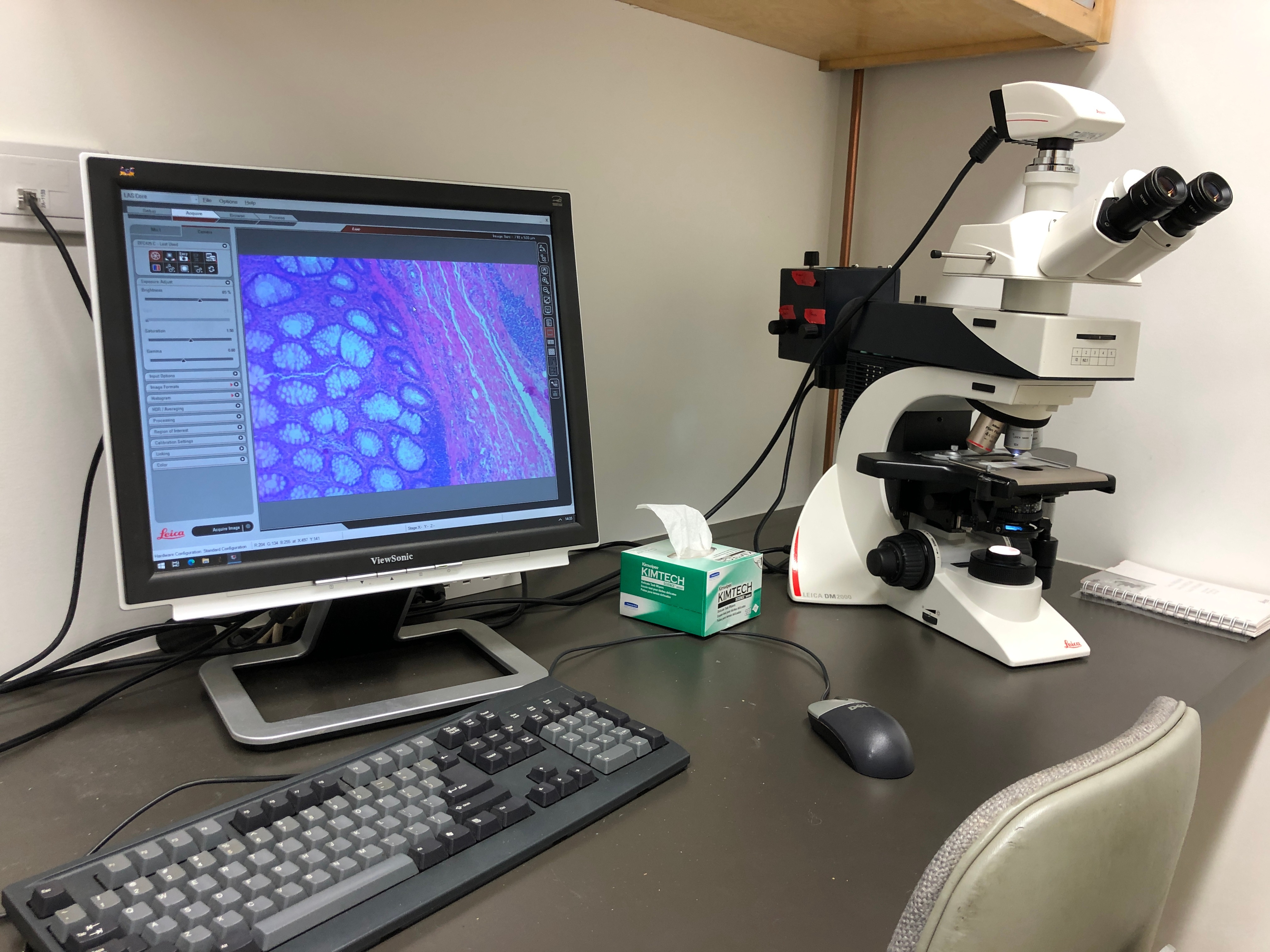
If not already done,turn on the computer (#1)and log in to Windows using yourUdeM credentials
Removethedust coverfrom the microscope
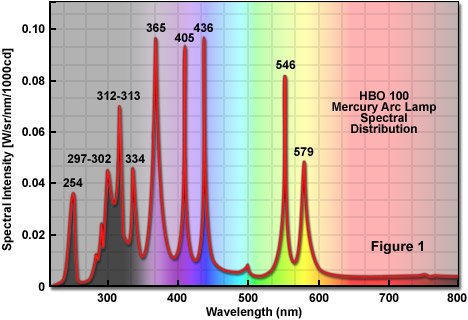
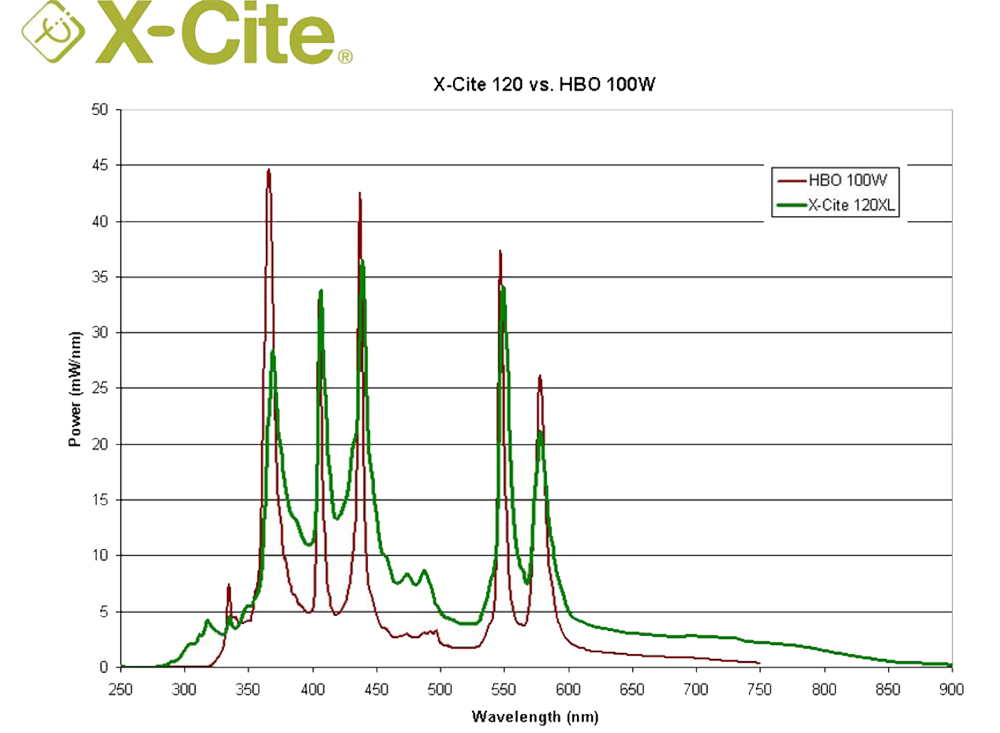
If fluorescence is required, turn on the mercury lamp power supply unit (#2)
Mercury lamp must be on for at least 30 min before being turned off and vice-versa
If transmitted light is required, turn on the halogen lamp on the right side of the microscope (#3)
Start LAS
When using the software for the first time, you will be asked for registration and activation.
Select Do not tell me about this again at the bottom left
Click Close
Files can be savedtemporarily(during acquisition) on the local C: drive (desktop)
At the end of each session, copy your data to your external drive anddelete it from the local C: drive
You can store your files on the D: drive (Data Storage). If you do, please create a folder per laboratory using the principal investigator last name. Within, create one folder per user (Firstname_Lastname).
In any case,your files should be removed from the C: drive.
Saveyour data
Close LAS
Transferyour data to the D: drive (Data Storage) or to your external drive anddelete it from the local C: drive
Select the lowest magnification objectiveand place the objectives in a safe position
If transmitted light was used, turn off the halogen lamp on the right side of the microscope (#3)
If fluorescence was used and the mercury lamp has been ON for at least 30 minutes, turn off the power supply unit(#2)
Turn off thecomputer
Wait until the lamps have cooled and cover the instrument with the protectivedust cover
Take back your samples including ones in the microscope